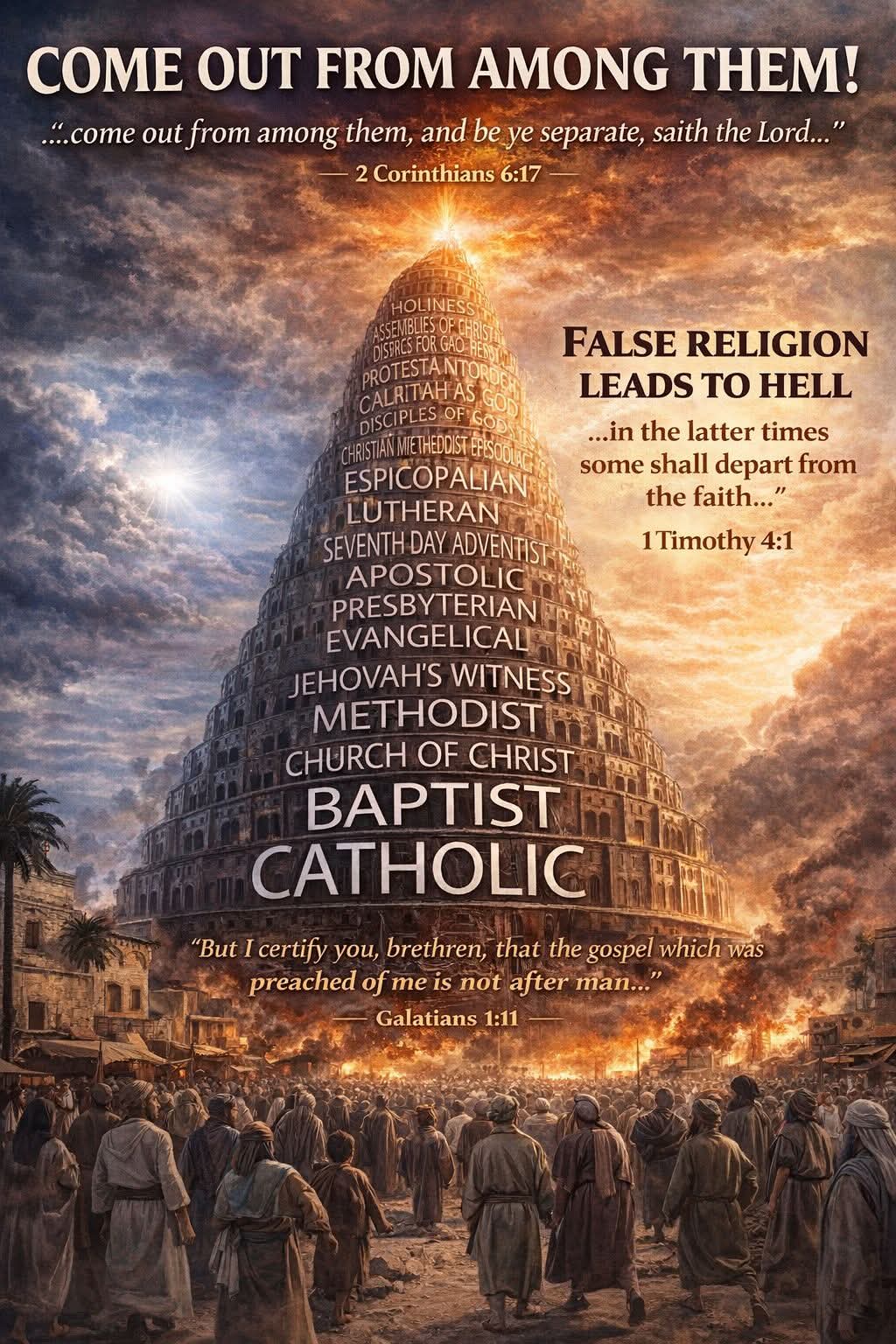
There are many man-made Christian denominations all of which are faith plus works false salvation: Plantation Christianity is one of them.
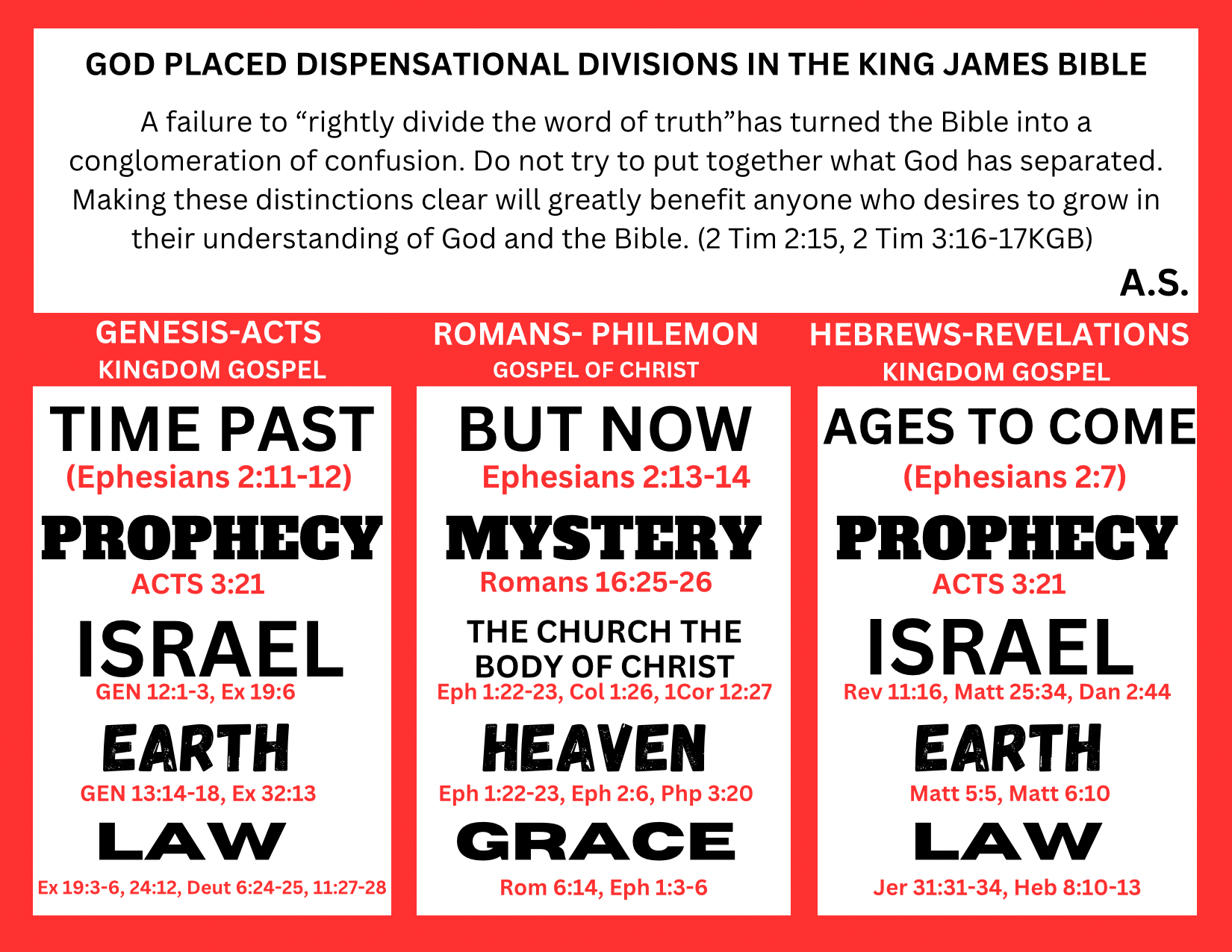
The populace called the disciples Christians in the Prophecy Program [fyi] ACTS 11:25-27. However, the Apostle Paul never called saints Christians in his epistle Romans-Philemon that he received by revelation from the RISEN Ascended Christ
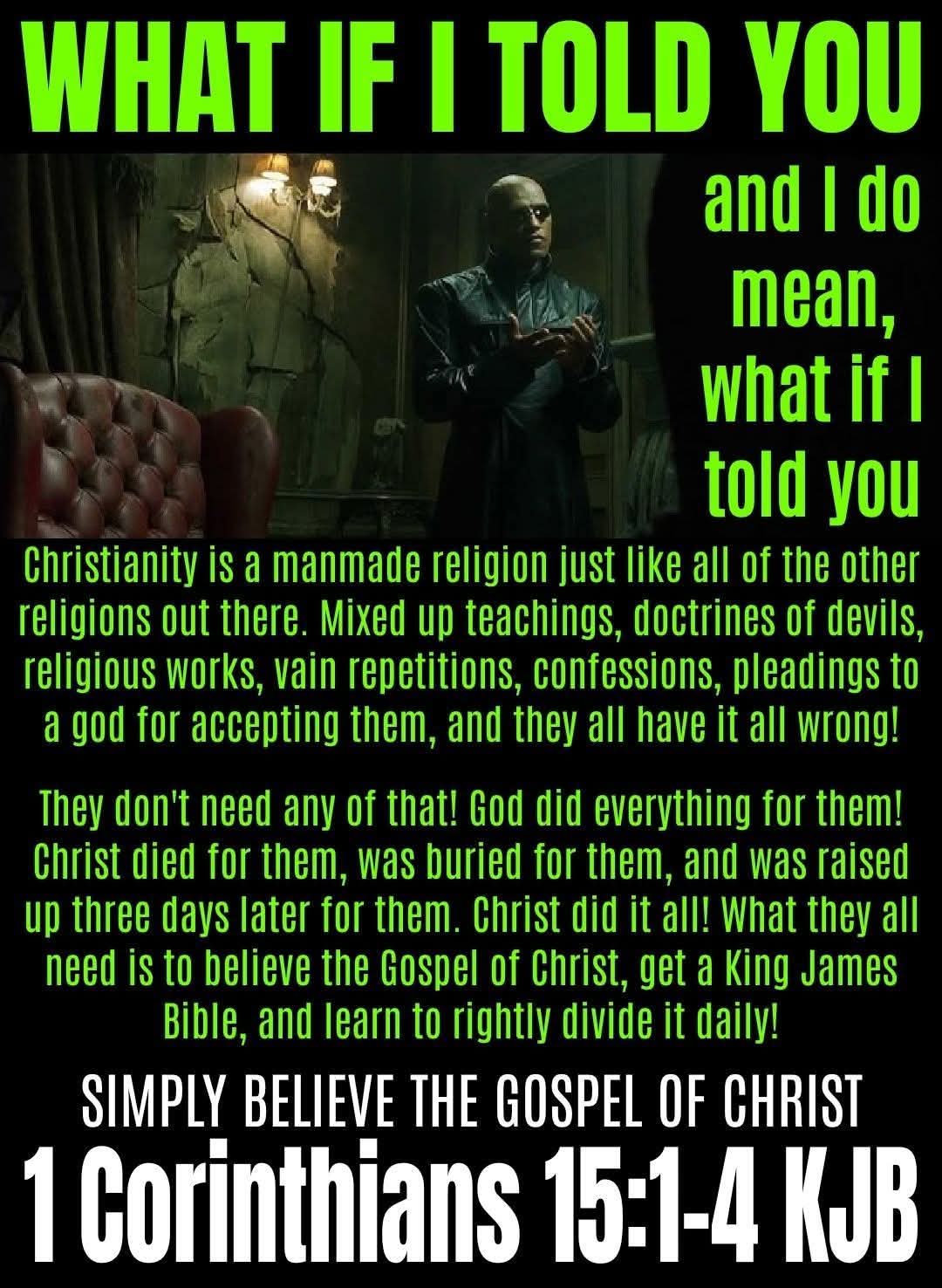
BUT NOW Salvation: Trust Christ. (((Hear))) then believe Paul’s gospel that he received from the RISEN Ascended Christ (ROM 1:15-17; 1 COR 15:1-4) @
MinistryofReconciliation.world/appeals/ and be saved and secured (EPH 1:12-14)
Follow Paul as he follows Christ in the revealed Mystery Program (1 COR 11:1-3; EPH 3:4-6)
AI
Plantation Christianity refers to the form of Christianity that was imposed upon enslaved Africans in the United States, often used as a tool for control and oppression. This version of Christianity emphasizes obedience and submission to masters, while ignoring or spiritualizing themes of liberation and freedom found in the Bible in the Bible.
According to Bishop May, Plantation Christianity is characterized by.
• Emphasis on obedience to masters
• Heaven as a reward after death
• Silence and submission in the present
• Restricted access to literacy and biblical
knowledge
I contrast, Bishop May advocates for biblical of Christianity, emphasizing themes of freedom, liberation and justice. He argues the Jesus of Scripture is not the same as the Jesus shaped by empire and slavery.
The Whitney Plantation in Louisiana serves as a museum and education center, highlighting the true history of slavery and the role of Christianity in the enslavement of Africans. The plantations tour guides point out enslaved preachers were given Bibles with key parts missing, such as the book of Exodus, which tells the story of God’s liberation of the Israelite’s from slavery.
AI:
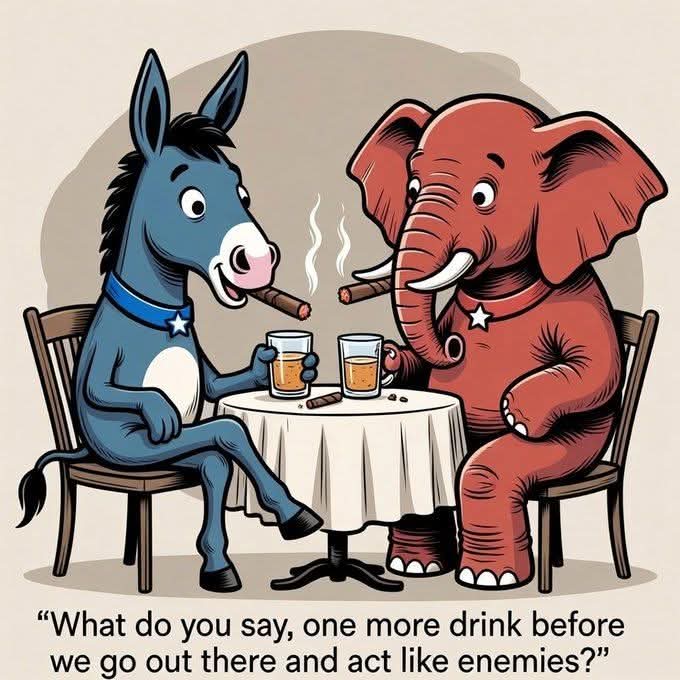
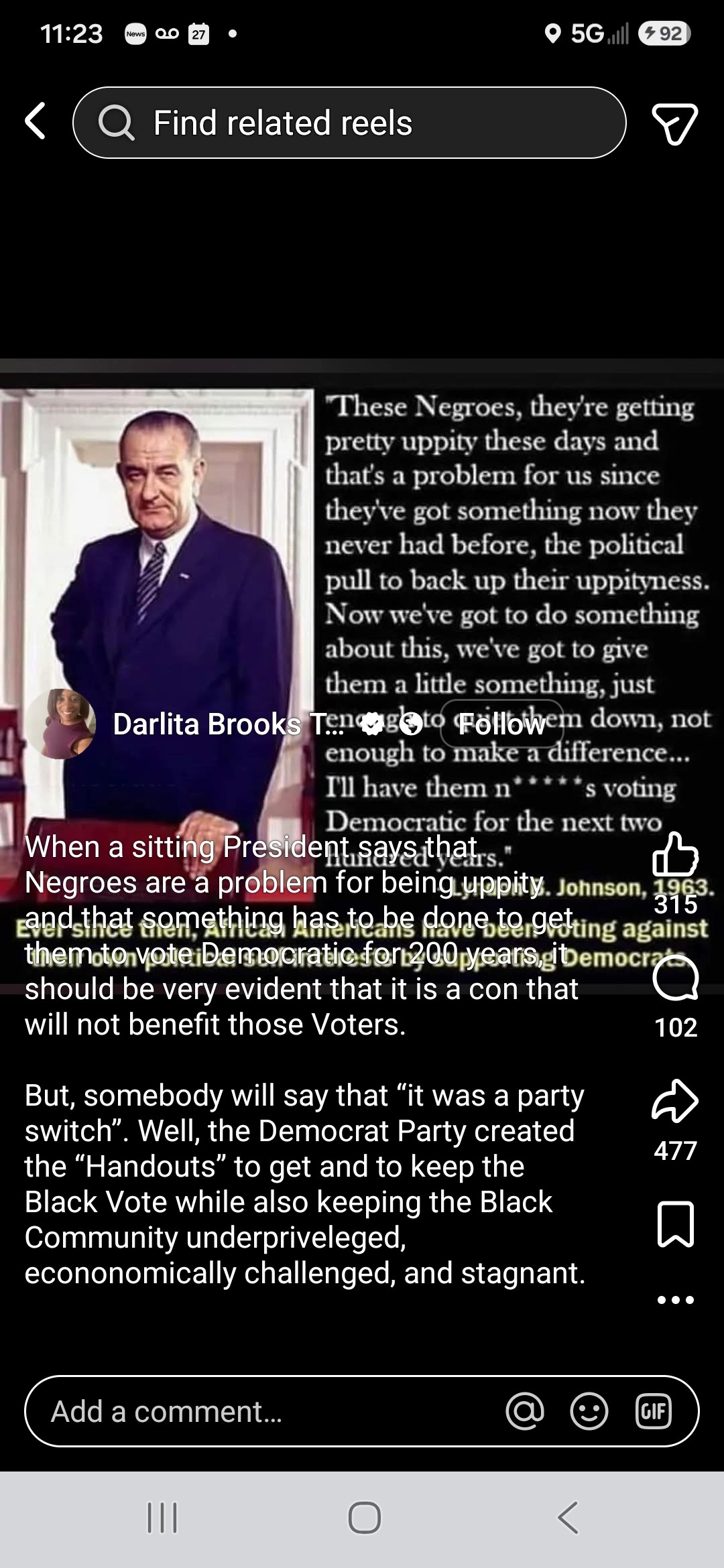
The quote “If you keep people at odds with each other and make them superior” is often associated with manipulated tactics of control, attributes to Lyndon B. Johnson, the 36th President of the United States. This strategy is reminiscent of the age-old adage “divide and rule,” where creating divisions among people can lead to easier control and manipulation.
Some people think this tactic is effective in maintaining power, as distracts from pressing issues and shifts focus on scapegoating or perceived enemies. This approach can also foster a sense of superiority among certain groups, further polarizing communities.
Lyndon B. Johnson’s presidency was marked by significant social and political change, and such tactics may have been used to achieve his policy goals. However, the use of divisive strategies can have lasting negative impacts on society, eroding trust and fostering resentment.
Key aspects of this strategy:
• Creating divisions: Pitting groups against each other to